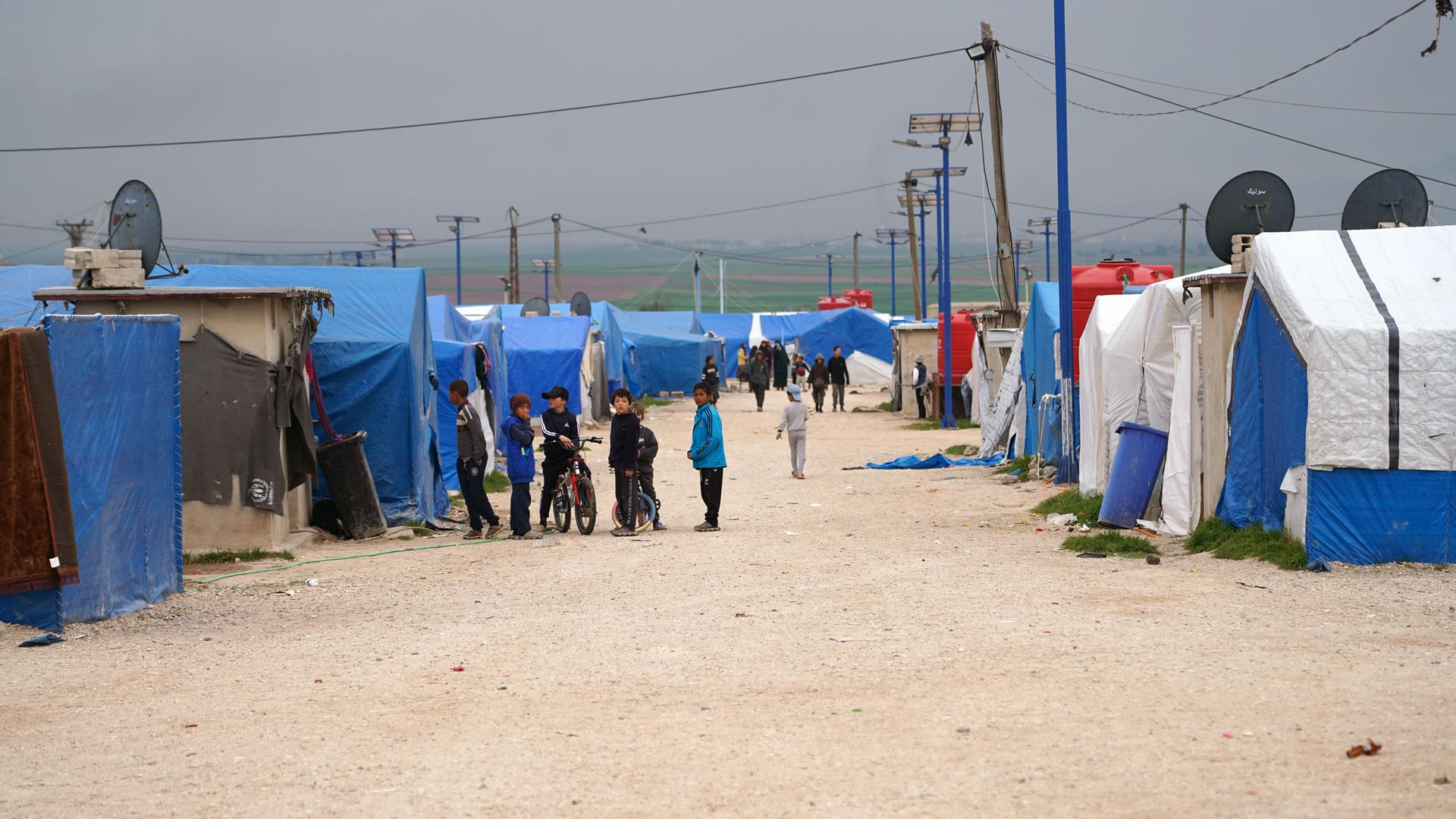
‘Guantanamo on an epic scale’: Life inside ISIS detention camps in Syria
ISIS still conducts large-scale attacks like the one in Russia last month that killed about 130 people. In Syria, where the group originated, it continues to be active. One strategy to contain ISIS has been to hold thousands of people in detention camps in northeastern Syria.
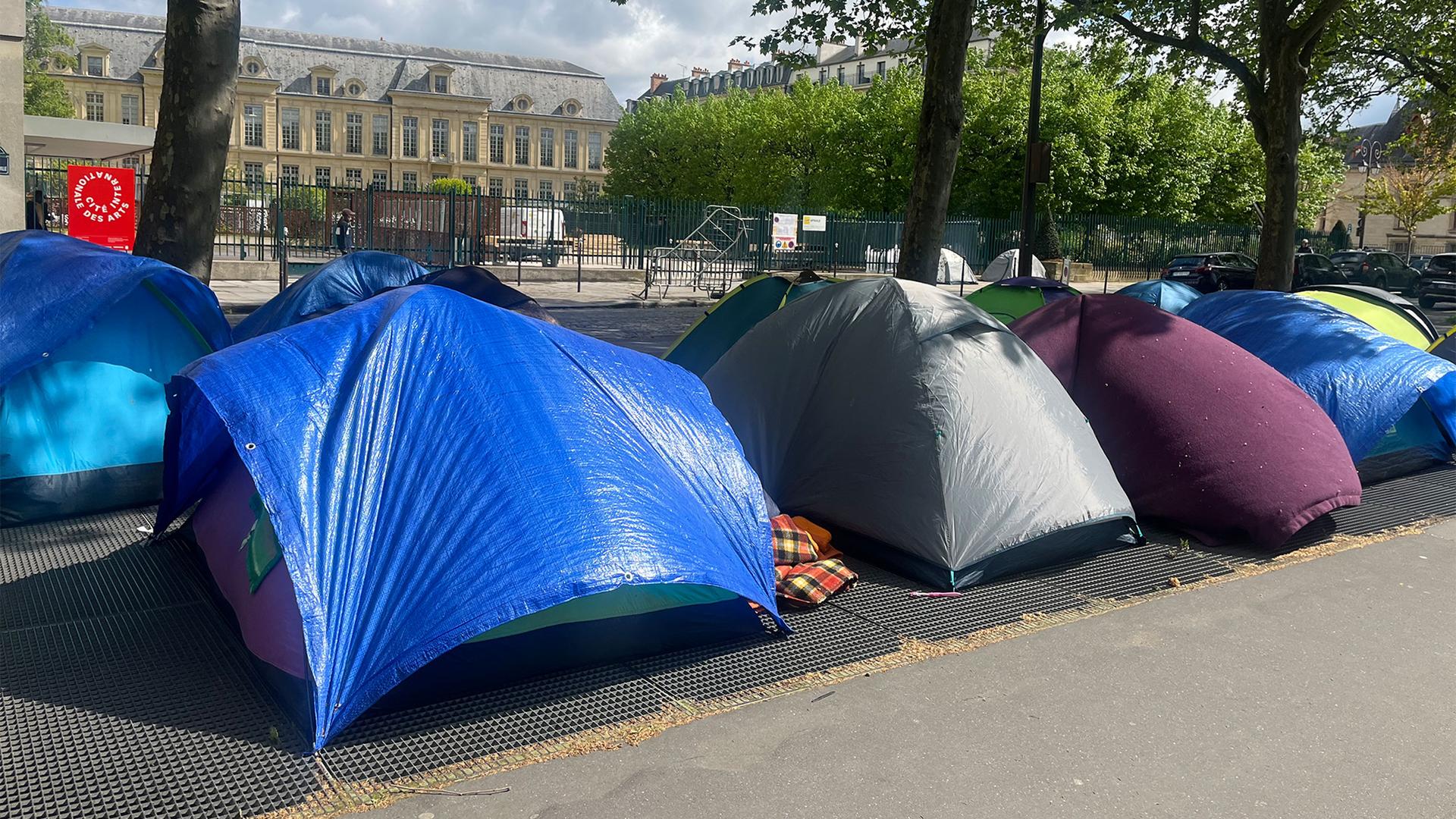


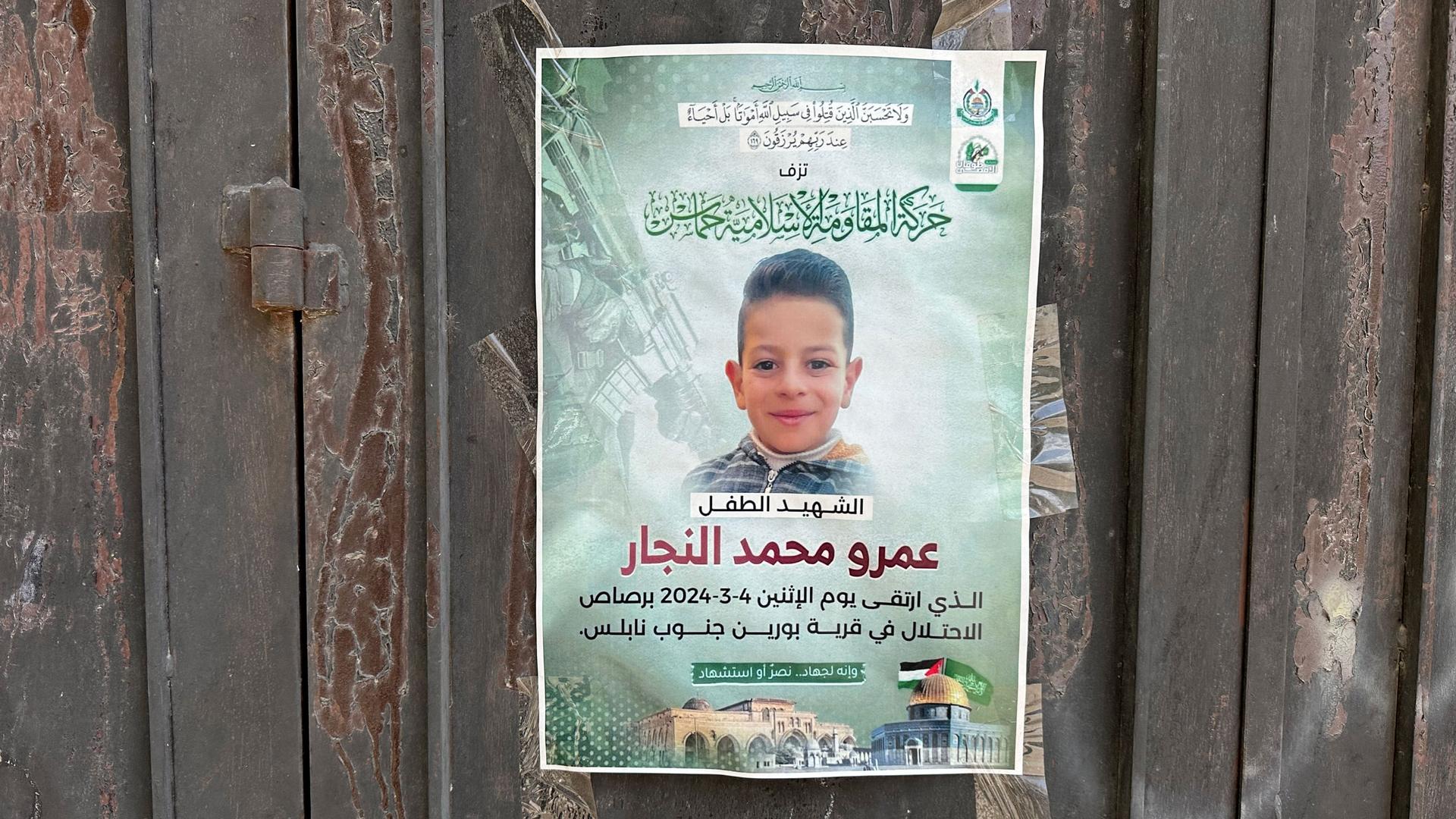

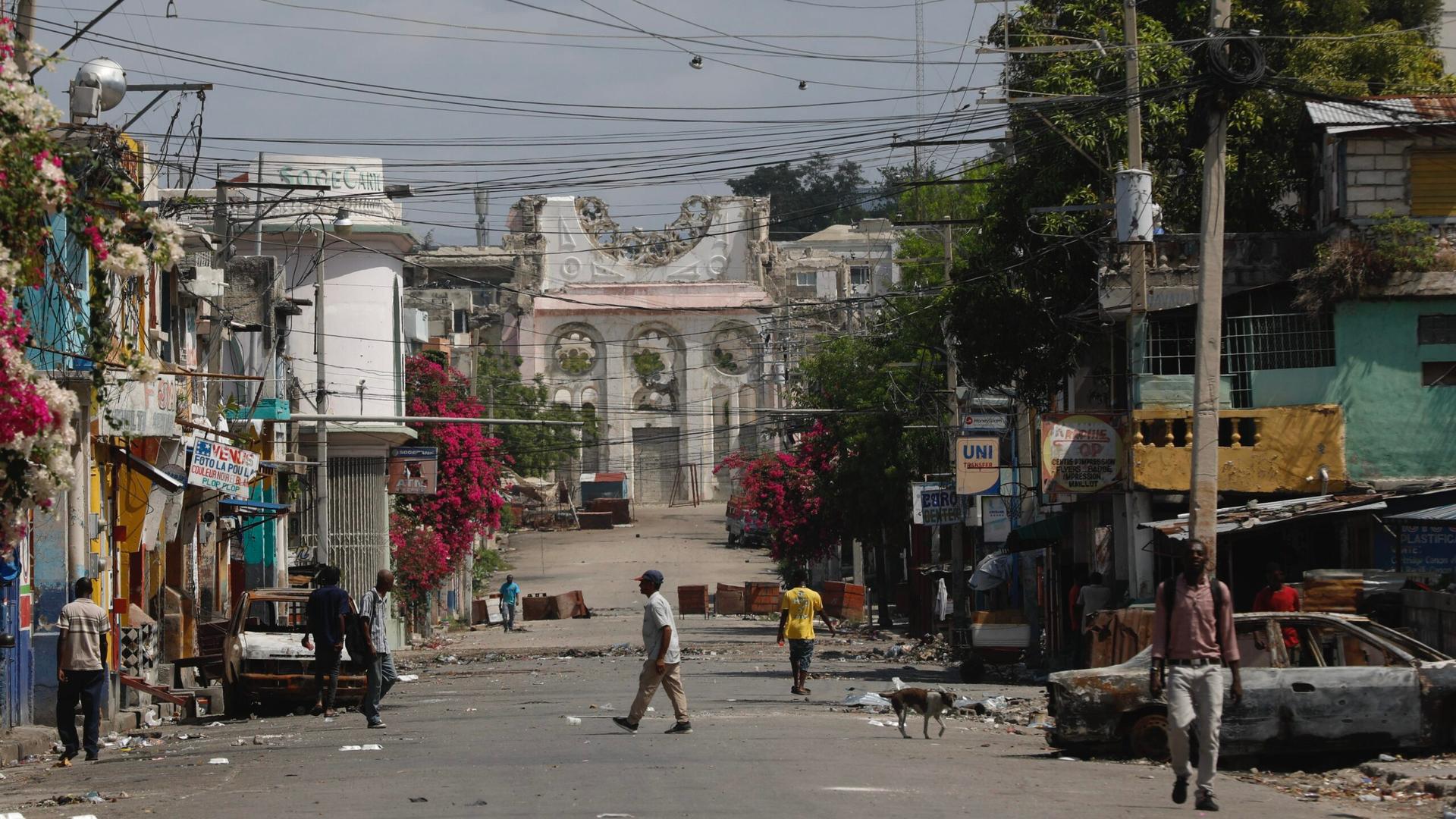
As Haiti teeters, the US government resumes deportations
The United Nations has described the current state of government and society in Haiti as “cataclysmic,” as armed gangs have seized control of much of the country. Haiti has managed to create a transitional council of former and current officials, religious leaders, and at least one businessman, to chart a course toward government stability and elections. Despite the dangerous situation, the Biden administration has resumed deportations of undocumented Haitians from the United States. The World’s Carol Hills talks with Harold Isaac, an independent reporter in Haiti, about what’s happening.
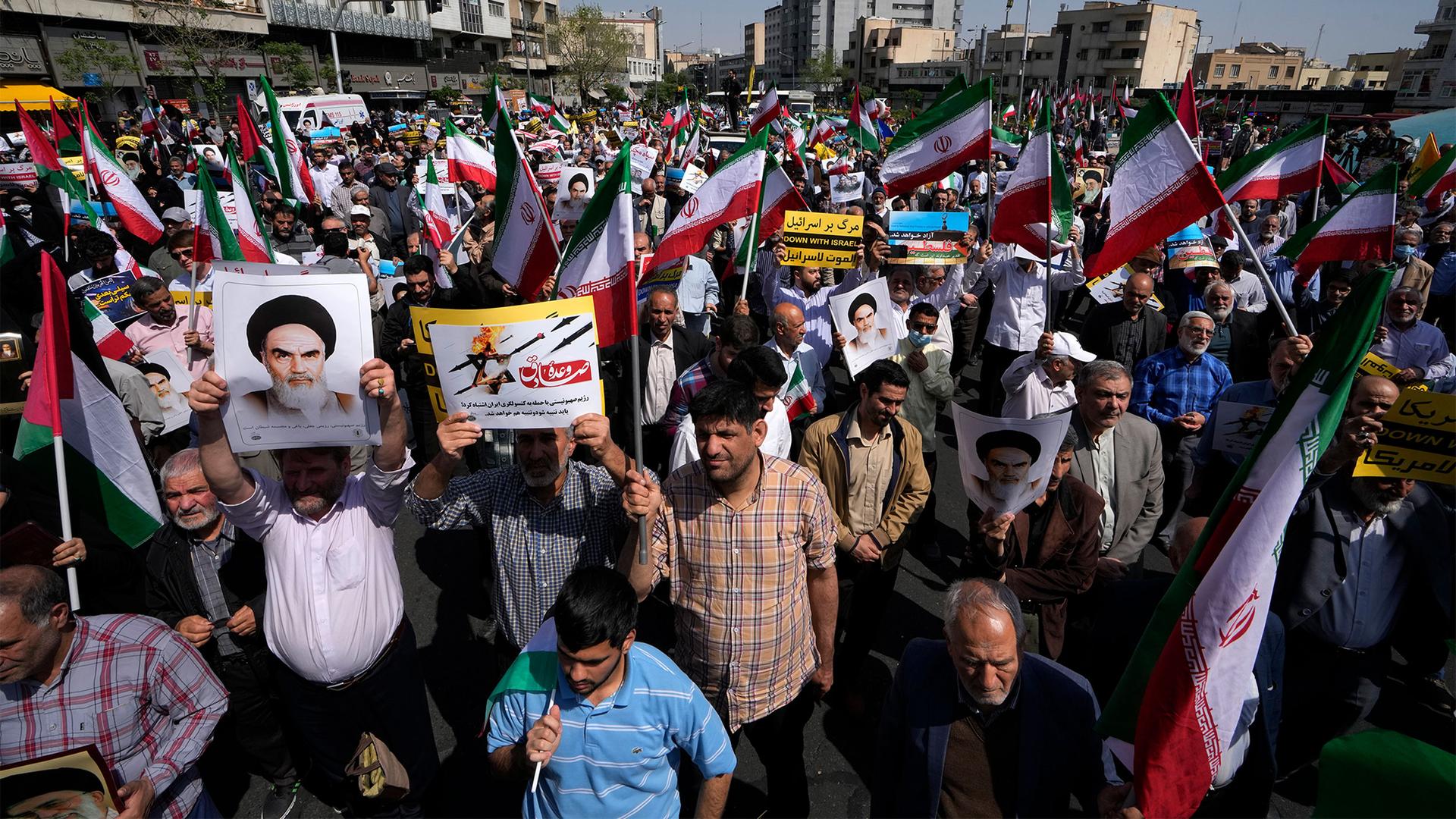
US urges restraint and deescalation as Israel and Iran trade attacks
Israel carried out another attack on Iran, this time on the city of Isfahan. It follows Iran’s firing of hundreds of drones and missiles at Israel for Israel’s strike on the Iranian Embassy complex in Syria. US officials have urged restraint and a deescalation of tensions. The World’s host Carol Hills speaks with Ali Vaez, the Iran project director for the International Crisis Group.
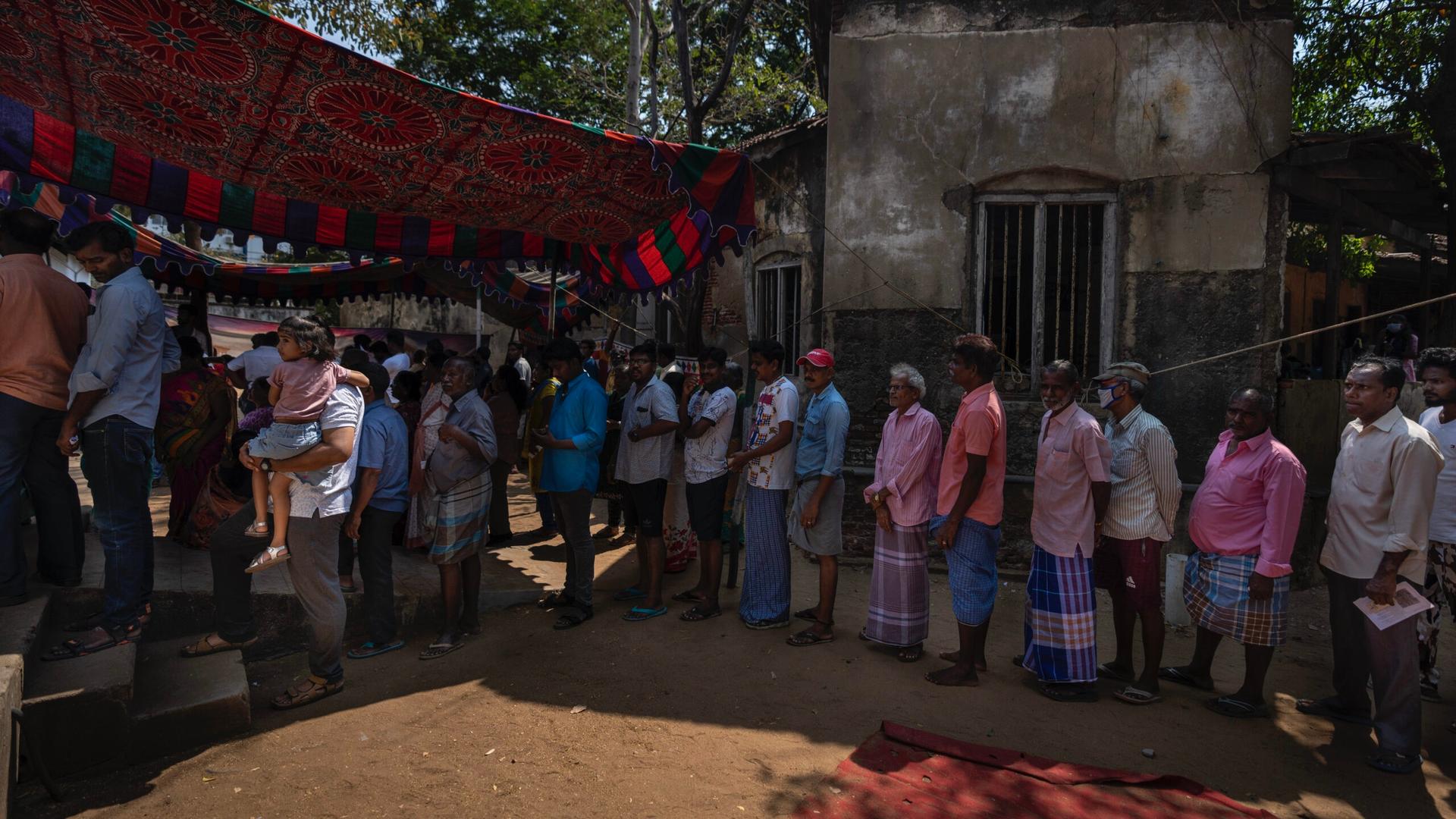
The largest election in the world begins in India
Voting begins on Friday in India in what’s being called the largest-election ever in recorded history. Almost 1 billion people are eligible to vote in the election, which will happen over the next six weeks. President Narendra Modi is likely to be reelected for a rare, third term, despite concerns about the growing Hindu nationalist movement he represents, and high unemployment. The World’s Carolyn Beeler spoke with journalist Sushmita Pathak, who talked to voters at the polls in the city of Jaipur.
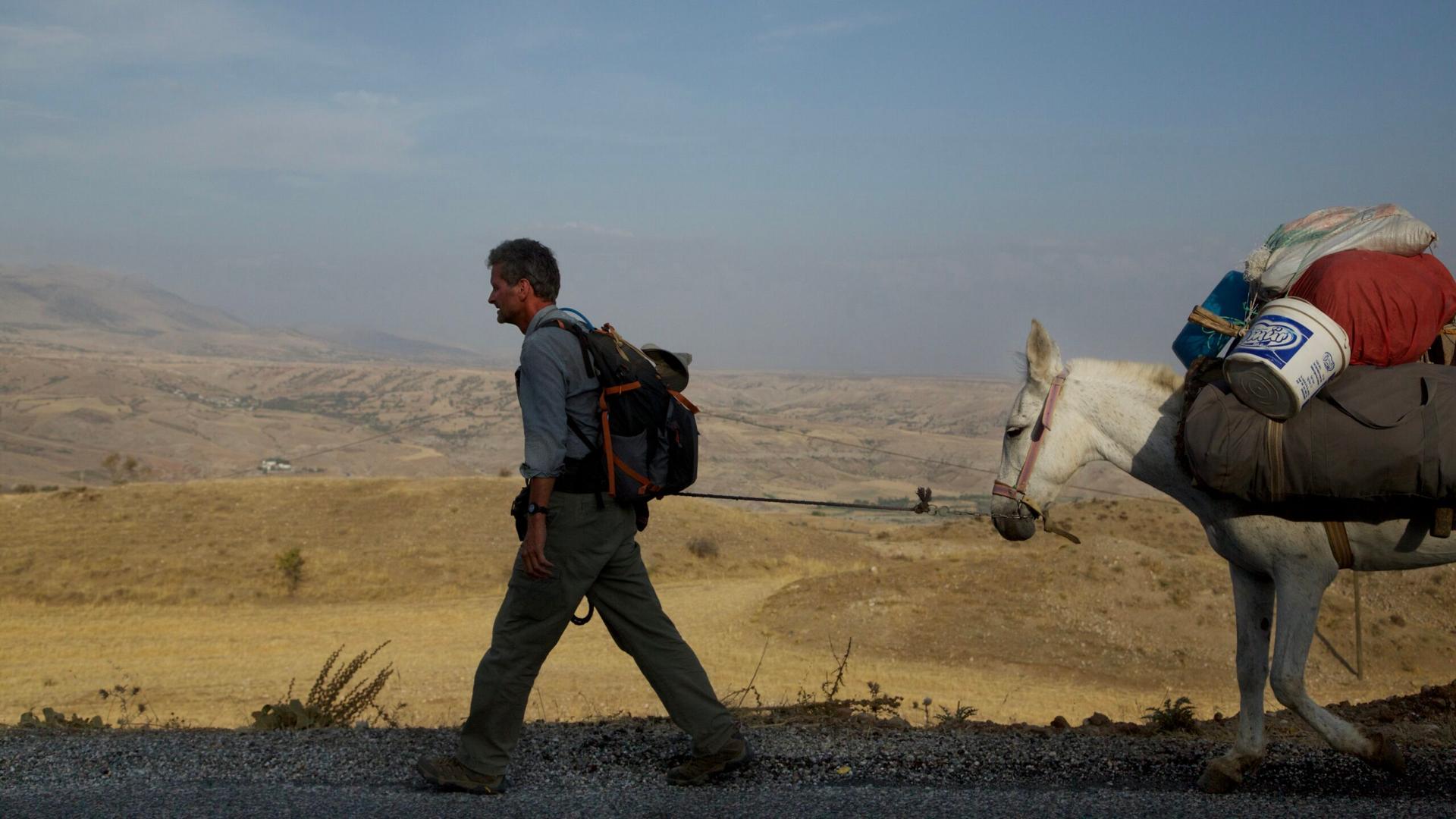
Out of Eden Walk: Walking Across Anatolia
National Geographic Explorer Paul Salopek tells host Carolyn Beeler what it was like to walk 700 miles across the plains of eastern Turkey, historically called Anatolia, a land that connects Europe with Asia. The war in neighboring Syria and thousands of years of conflict and conquest quietly echo through this peaceful, pastoral land.